 ultimate-guide
Long Term Storage Unit Costs: 2026 Pricing Guide
Table of Contents
- What Drives Long Term Storage Unit Costs
- Climate Controlled Storage Unit Prices vs. Standard Units
- Hidden Fees That Raise Your Monthly Rental Rate
- Long Term Storage Discounts and Negotiation Tactics
- How to Prepare Items for Long Term Storage
- Total Cost of Ownership for Long Term Storage Unit Costs
- Frequently Asked Questions
Last Updated: September 14, 2026
What Drives Long Term Storage Unit Costs
Long term storage unit costs hinge on two variables: how much space you rent and where that space sits. Everything else, from climate control to insurance, stacks on top of that base rate.
Unit Size and Square Footage
Unit size drives the base rate more than any other factor. A small 5x5 unit (roughly the size of a closet) costs far less per month than a 10x30 unit that can hold a full household. Square footage on a rental agreement rarely matches usable square footage, so check unit dimensions before you sign.
Drive-up access units often cost more than indoor units because they're more convenient to load.
Location and Market Demand
Facility location shapes pricing as much as unit size. Urban facilities near dense housing stock charge more per square foot than rural ones, simply because land and overhead costs are higher. Market demand compounds this: when a metro area has more renters than available units, monthly rental rates climb.
Availability matters too. A facility at 95% occupancy has little incentive to discount, while a newer facility still filling units may offer promotional pricing to attract tenants. If you're flexible on facility location, renting slightly outside a high-demand zone can cut your long term storage unit costs meaningfully without sacrificing much convenience.
Climate Controlled Storage Unit Prices vs. Standard Units
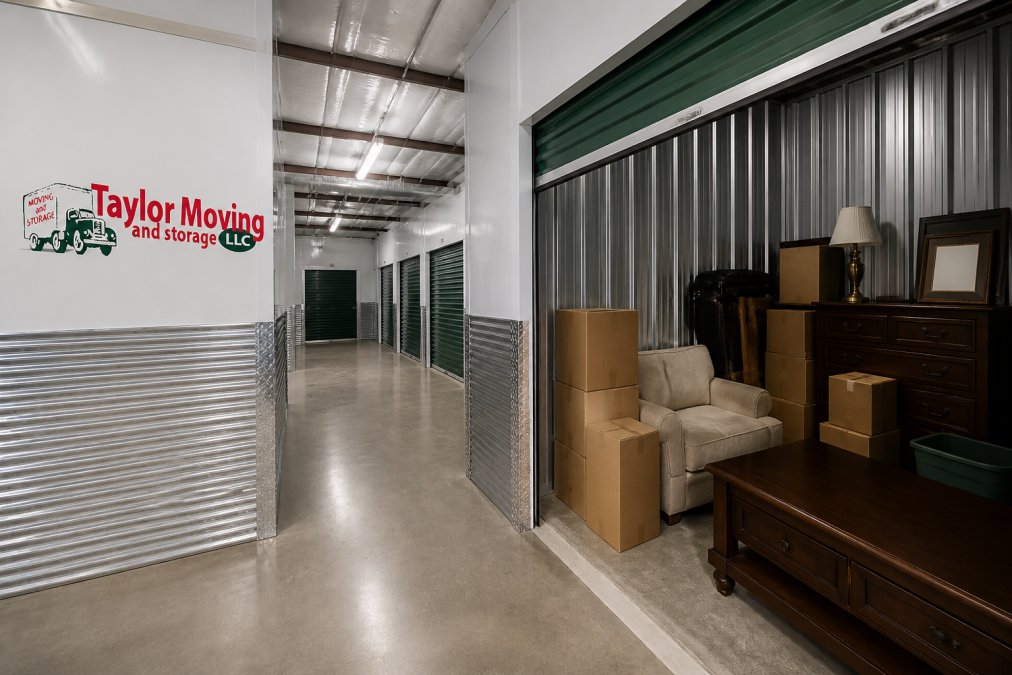
Climate controlled storage unit prices run higher than standard units, and the premium is worth it for certain items. Standard units expose your belongings to temperature swings and humidity. Climate-controlled units hold a steady temperature and regulate moisture, which protects wood furniture, electronics, musical instruments, and anything with leather or fabric.
The cost gap between the two depends on your market and unit size. In practice, the difference is a percentage premium on the base rate rather than a flat fee, so a larger climate-controlled unit costs proportionally more than a small one. A common pattern is a 20% to 40% premium over the same square footage in a standard unit, though the spread widens in humid markets and narrows where climate control is standard across the facility (Climate Control 101 - Self Storage Association News / Blog).
| Unit Type | What It Protects | Best For | Relative Cost |
|---|---|---|---|
| Standard | Basic household goods | Short-term, durable items | Lower base rate |
| Climate-controlled | Wood, electronics, fabric, leather | Long-term, sensitive items | Higher base rate |
| Humidity-controlled only | Wood, paper, fabric | Documents, books, some furniture | Mid-tier base rate |
It helps to separate the two features facilities often bundle under one label. Temperature control keeps the unit within a set range, usually somewhere in the 55°F to 85°F band, while humidity control holds moisture at a target level, often around 50% relative humidity. Some facilities offer only one of the two. If you're storing paper documents or wooden furniture, humidity control is the feature that matters most; if you're storing electronics or leather, temperature stability is the bigger driver.
Temperature regulation matters most in regions with humid summers or freezing winters. If you're storing items for a year or more, the climate-controlled premium usually costs less than replacing damaged furniture. Run the math before you decide: a 10x10 climate-controlled unit at a 30% premium over a standard unit adds up over 12 months, so compare that annual premium against the replacement cost of the items most at risk. If the premium exceeds the value of what you're protecting, a standard unit plus better packing may be the smarter trade. Clearing out space for long-term storage often reveals accumulated clutter that requires professional attention, making it essential to understand the variables influencing basement junk removal costs.
Price Escalation on Climate-Controlled Units
One pattern worth watching: climate-controlled units are often the first to see rate increases, because they're the units with the longest waitlists and the least vacancy. A facility that starts you at a promotional rate on a climate-controlled unit may raise that rate at the first renewal more aggressively than it would on a standard unit. Ask whether the rate is locked for the term of your lease or subject to increase, and get the answer in writing. This is the single most common way long-term renters get surprised by their climate-controlled premium.
Hidden Fees That Raise Your Monthly Rental Rate
The advertised rate is rarely the full monthly rental rate. Storage facilities commonly add fees that don't appear in the headline number, and these add up over a long-term lease. Ask for a written breakdown before you commit.
Administrative Fees and Security Deposits
Most facilities charge a one-time administrative fee at sign-up, plus a security deposit that's often refundable but sometimes applied to your final month. Read the rental agreement closely: some deposits convert to non-refundable fees if you leave before a set period.
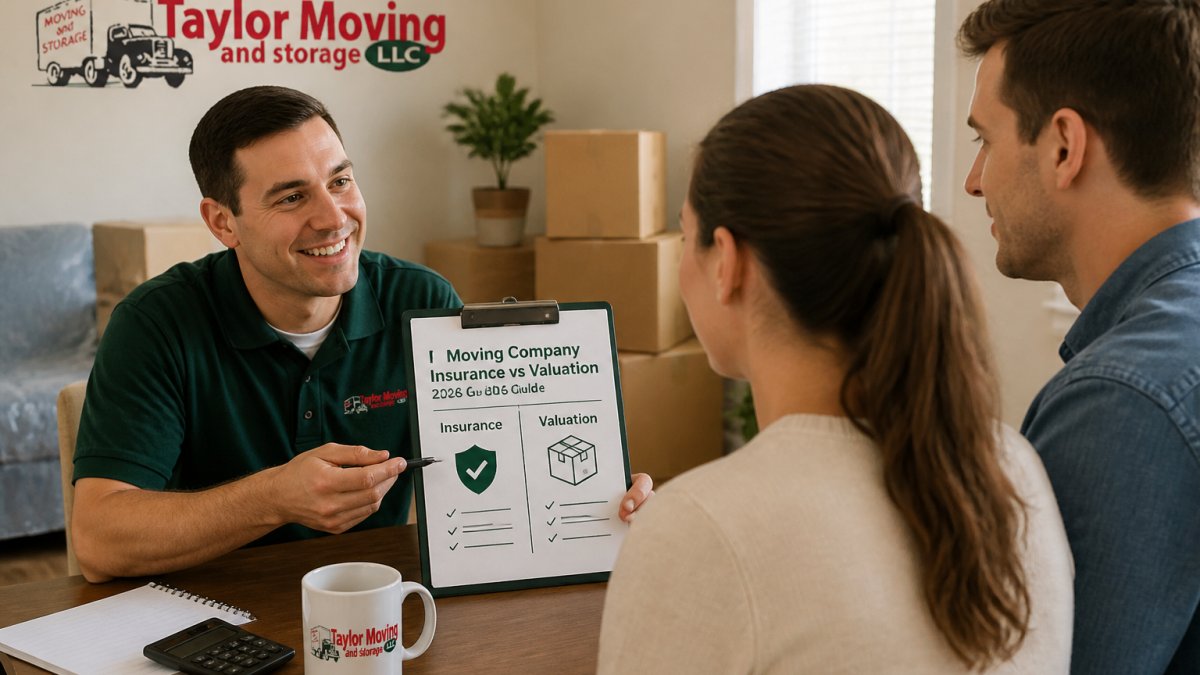
Storage Insurance and Pro-Rated Rent
Storage insurance is frequently required, either through the facility or a policy you provide. This is a recurring cost, not a one-time fee, so factor it into your budgeting from day one. Pro-rated rent applies when you move in or out mid-month; some facilities pro-rate, others charge a full month regardless.
Long Term Storage Discounts and Negotiation Tactics
Long term storage discounts exist, but facilities rarely advertise them. The best time to negotiate is before you sign, when the facility wants your commitment. Ask directly about discount programs for 6- or 12-month leases, prepayment discounts, and any promotional pricing currently running.
The Teaser Rate vs. Market Rate Cycle
Before you negotiate, understand how facilities price long-term rentals. Most start new tenants on a teaser rate, a below-market number designed to fill vacant units. At the first renewal, often 3 to 6 months in, the rate steps up toward the facility's market rate, which is what it charges tenants who aren't on a promotion. Over a multi-year rental, you can expect the rate to climb in increments at each renewal, and the increments tend to be larger when the facility's occupancy is high.
This cycle is why the advertised rate on a sign or website tells you almost nothing about what you'll pay in year two. When you tour a facility, ask two questions: what is the current market rate for this unit size, and how often has the rate on this unit changed in the last 24 months? A facility that answers honestly is one you can plan around. A facility that dodges is telling you something too.
Negotiation Scripts That Work
Negotiation levers that work:
- Commit to a longer lease term in exchange for a lower rate
- Offer to prepay several months upfront
- Ask about off-peak move-in dates when occupancy is lower
- Request a waiver of the administrative fee instead of a rate cut
A simple script covers most of the ground. Try: 'I'm planning to rent for at least 12 months. What's the best rate you can offer for a 12-month commitment, and can you lock that rate for the full term?' If the answer is no, follow with: 'What if I prepay the first 6 months?' and then: 'Can you waive the admin fee instead?' Each question gives the facility a different lever to pull, and most will pull at least one.
For a 12-month or longer commitment, ask specifically for a rate lock. A rate lock is a written guarantee that your monthly rate won't increase during the term. Facilities grant these more often than tenants expect, especially when vacancy is above their target. If the facility won't lock the rate, ask for a cap: a written maximum increase per renewal. A cap of 5% to 10% per year is a common ask, and it's far better than an open-ended escalation clause.
Online booking sometimes unlocks web-only promotional pricing that beats the walk-in rate. If you book online, screenshot the rate and terms before you sign, and confirm in writing that the promotional rate applies for the full term you agreed to, not just the first month.
What to Get in Writing
Whatever you negotiate, get it in the rental agreement, not just in a conversation at the counter. The three items that matter most for long-term renters are the starting rate, the renewal terms (including any cap or lock), and the notice period required to end the lease. If a facility won't put a rate lock or cap in writing, treat the verbal promise as marketing, not a term.
How to Prepare Items for Long Term Storage
Preparation protects your belongings and can lower your long term storage unit costs by letting you use a smaller unit. Clean everything before it goes in, since dirt and moisture cause damage over months of storage. Disassemble large furniture where possible, and store screws and hardware in a labeled bag taped to the piece.

Use sturdy boxes of uniform size so they stack without collapsing. Leave a small gap between boxes and the walls for airflow, and never place items directly on a concrete floor. A pallet or shelving unit keeps belongings off the ground and makes the space easier to navigate.
Total Cost of Ownership for Long Term Storage Unit Costs
Total cost of ownership (TCO) is the full amount you'll spend over the life of the rental, not just the monthly rate. TCO includes the base rate, insurance, administrative fees, any price escalation written into your rental agreement, and the cost of the items you're storing. This is where most renters get surprised.
Exit Strategy and Liquidation
An exit strategy protects you from paying for space you no longer need. Before you sign a long-term lease, know your notice period and whether early termination triggers a penalty. Some rental agreements require 30 days' written notice; others lock you in for the full term (Tenant Lease Termination - Self Storage Association News / Blog).
Liquidation is the harder question. If you're storing items you rarely use, compare the annual storage cost against the replacement value of those items. Paying a monthly rental rate for years to store furniture worth less than the cumulative cost is a losing trade. A lien sale can occur if you stop paying, and facilities can sell your belongings to recover unpaid rent, so never let a balance go unresolved (Self Storage Association (SSA) > Legal > Legal Resource Center > Topics).
Renting storage for the long haul rewards planning, and the biggest variable you control is how well you match unit size, location, and lease terms to your actual needs. Taylor Moving and Storage LLC has served Northern Colorado and the Front Range since 1997, pairing transparent, inclusive hourly pricing with no hidden fees alongside climate-controlled storage options tailored to your inventory. Our locally owned team builds customized move and storage plans around your access, equipment, and timeline, so you're never guessing at the real cost. Get a free moving estimate from Taylor Moving and Storage LLC and lock in a storage plan with no surprises.
Frequently Asked Questions
Is long-term storage worth it?
It depends on what you would pay to replace the items versus what you pay to store them. If you are storing furniture, seasonal gear, or business inventory worth more than roughly a year of storage unit costs, renting usually makes sense. For low-value items, downsizing or selling often costs less than a long-term lease. Compare the monthly rental rate plus insurance against replacement value before committing.
What factors influence long term storage unit costs?
The biggest factors are unit size, facility location, and whether the unit is climate-controlled. Market demand, facility amenities like drive-up access and security, and the length of your rental agreement also matter. Administrative fees, storage insurance, and pro-rated rent can add to the total. Asking for a full fee breakdown before signing helps you compare facilities on equal terms.
Do storage facilities offer discounts for long-term rentals?
Many facilities do. Common discount programs include a lower monthly rental rate when you sign a 6- or 12-month lease, waived administrative fees for online booking, and promotional pricing for the first month. Ask directly whether the rate is locked or subject to price fluctuations, and get any long term storage discounts confirmed in the rental agreement before you sign.
Can I rent a storage unit for a year?
Yes. Most facilities offer month-to-month and long-term lease options, and a 12-month agreement often comes with a lower monthly rental rate. Before signing, confirm the notice period for moving out, whether the rate can increase mid-lease, and what happens to your security deposit. A written rental agreement should spell out renewal terms, access hours, and any lien sale policy.