 ultimate-guide
How to Prepare for a Local Move in 2026
Table of Contents
- Create a Moving Timeline for Your Local Move
- Build Your Moving Checklist for Local Moves
- How to Pack for a Local Move
- Hire a Licensed and Insured Moving Company
- Prepare Your Home and Belongings
- Plan for Storage and Timing Gaps
- Frequently Asked Questions
Last Updated: September 20, 2026
Learning how to prepare for a local move in 2026 starts well before moving day, since the process feels manageable until you're three weeks out and realize you haven't started packing. The difference between a smooth local move and a chaotic one often comes down to preparation. This guide covers how to prepare for a local move in 2026 with a structured timeline, practical packing strategies, and what to look for when hiring professional help.
Taylor Moving and Storage LLC is a locally owned and operated moving company that has been serving Northern Colorado and the Front Range since 1997. Whether you're relocating within Longmont, transitioning between apartments in Boulder, or moving across the Front Range, a solid plan removes most of the stress and uncertainty.
Create a Moving Timeline for Your Local Move
The best time to start preparing for your local move is eight weeks before moving day. This gives you enough runway to handle the big decisions without feeling rushed, while staying focused enough that you don't procrastinate endlessly.
A realistic timeline breaks the process into manageable phases. You're not trying to do everything at once. Instead, you're spacing out decisions about what to keep, hiring help, packing, and logistics across two months. This approach prevents the last-minute scramble that leaves people throwing items into boxes without any organization.
Your timeline should account for your specific situation. If you're moving between rental units in the same building, your timeline might compress. If you're coordinating with a home sale or lease start date, you'll need to work backward from that fixed deadline. The core phases remain the same regardless of distance or complexity.
Build Your Moving Checklist for Local Moves
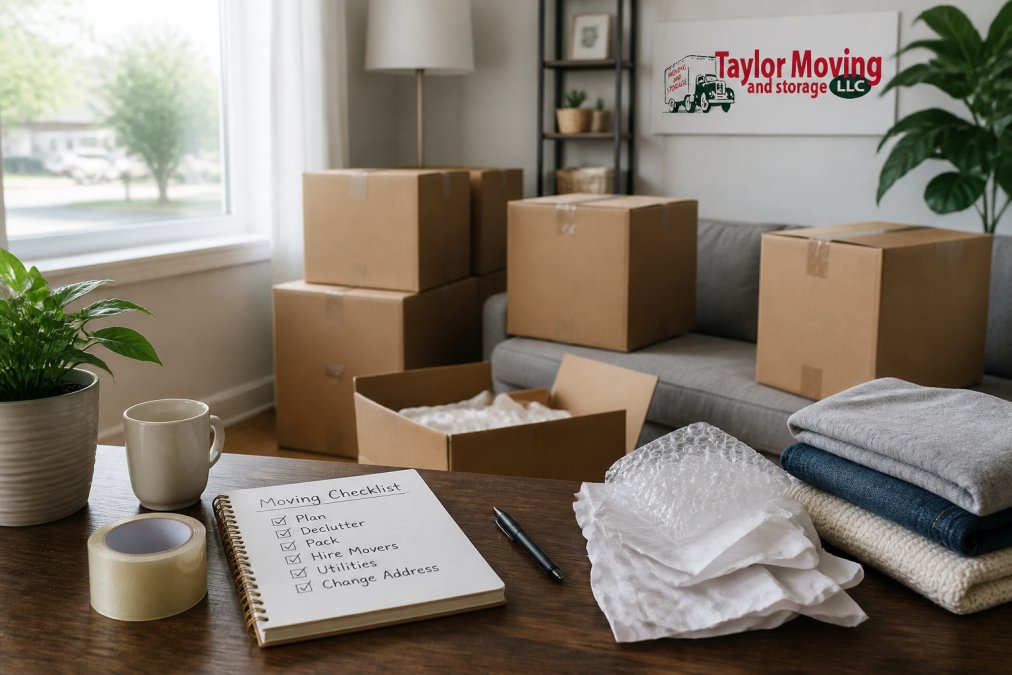
A moving checklist keeps you accountable and prevents forgotten tasks. Rather than a generic list, your checklist should reflect your actual move. A family with a house full of furniture needs a different checklist than a couple moving a one-bedroom apartment.
Eight Weeks Before Moving Day
Start with the big-picture decisions. This is when you decide whether to hire professional movers or handle the move yourself, whether you'll need storage, and what you're actually taking with you.
Review your inventory. Walk through your current space and get a sense of volume. How many rooms are you moving? Do you have large furniture pieces? Specialty items like a piano or antiques? This inventory shapes every decision that follows. If you're unsure about capacity or logistics, get a free estimate from a professional moving company. Taylor Moving LLC offers transparent estimates that help you understand exactly what you're working with.
Start researching moving companies if you plan to hire help. Look for businesses that are licensed and insured in your area. This is non-negotiable. A licensed, insured moving company protects your belongings and gives you recourse if something goes wrong. Check online reviews, ask for references, and get multiple estimates. The company you choose will handle your most valuable possessions, so take this decision seriously.
Four Weeks Before Moving Day
Now you're narrowing focus. You've decided on a moving strategy and possibly selected a moving company. The next phase is decluttering and organizing what you're actually moving.
Decluttering before a move makes everything easier. You're paying to move every item you pack, whether it's something you use weekly or something you haven't touched in five years. Go through closets, storage areas, and drawers. Be honest about what you actually use and what you're keeping out of obligation or guilt. Donate, sell, or discard items that don't fit your current life.
As you declutter, start gathering supplies. Boxes, tape, bubble wrap, packing paper, and markers are easier to source now than two weeks before moving day. If you're hiring movers, ask whether they provide boxes and packing materials or if you should source your own.
Two Weeks Before Moving Day
You're in the home stretch now. Decluttering is done, supplies are gathered, and if you're hiring movers, your moving company is confirmed with a scheduled date.
Start packing items you don't use regularly. Off-season clothing, books, decorative items, and kitchen gadgets you rarely use can go into boxes now. Label everything as you pack. A box marked "Kitchen - Glassware" tells you what's inside and where it belongs in your new space. This system saves hours of unpacking confusion.
Confirm details with your moving company. Know the exact date, time window, and any special instructions for access to your current and new spaces. Discuss whether the movers will handle packing or just loading and unloading. Clarify what's included in your estimate and ask about any additional fees or charges.
One Week Before Moving Day
Final preparations happen this week. You're packing the last items, preparing your space for the move, and doing final confirmations.
Finish packing everything except items you use daily. Your bed linens, toiletries, a change of clothes, and basic kitchen items stay accessible until moving day. Everything else should be packed and labeled.
Clean your current space as you empty it. Moving companies don't expect you to deep clean before they arrive, but removing clutter and debris makes loading faster and safer. Clear pathways for movers to navigate with furniture. Remove obstacles from doorways and stairwells. Clearing out the garage or basement often reveals hazardous materials that require careful handling, so prioritize safe waste disposal to ensure your old paint does not compromise the safety of your transition.
Confirm final details with your moving company the day before. Reconfirm the time window, ask about parking requirements, and make sure they have your phone number and new address. If you've hired professional movers, this is also when you confirm whether they're bringing their own equipment or if you need to provide dolly access.
How to Pack for a Local Move
Packing is where most people lose organization. Without a system, boxes become a random collection of items that takes weeks to sort through after the move.

Your packing strategy should separate items by room and by priority. Kitchen items go in one set of boxes, bedroom items in another.
Packing Fragile Items Safely
Fragile items require specific handling. Dishes, glassware, and decorative pieces break easily in transit, especially if boxes shift during loading or transport.
Organizing Boxes by Room and Priority
Room-by-room organization saves time during unpacking. All kitchen boxes go together, all bedroom boxes together, and so on. This system lets you unpack one room at a time rather than searching through dozens of boxes for items you need.
| Item Category | Packing Approach | Priority Level |
|---|---|---|
| Fragile dishes & glassware | Wrap individually, stack vertically | Lower priority |
| Daily-use kitchen items | Pack loosely for easy access | High priority |
| Seasonal clothing | Compress, pack together | Lower priority |
| Everyday clothing | Minimal packing, easy to unpack | High priority |
| Books & decorative items | Pack by weight, not volume | Lower priority |
| Electronics & cables | Keep components together, label | High priority |
Hire a Licensed and Insured Moving Company
Professional movers handle the physical work and reduce your stress significantly. The right moving company makes the difference between a controlled transition and a chaotic day.
What to Verify Before Hiring
Licensing and insurance are non-negotiable. A licensed moving company has met regulatory requirements and carries liability insurance. This protects you if something gets damaged during the move. Ask for proof of licensing and insurance before you hire. Don't assume a company is legitimate just because they have good reviews, verify it directly.
Understanding Transparent Pricing and Estimates
Transparent pricing means you know what you're paying before moving day. Many moving companies use hourly rates, which is straightforward: you pay for the time the crew is working at your location. Some charge flat rates for specific moves. Either way, the estimate should break down what's included and what costs extra.
Prepare Your Home and Belongings
Your physical space needs preparation for moving day. Movers need clear access to your furniture and belongings, and your new space needs to be ready to receive items.
Decluttering Before You Move
Decluttering deserves emphasis because it's where most people save time and money. Every item you don't move is an item you don't pay to transport. Beyond cost, fewer items make unpacking faster and your new space feel less chaotic.
Protecting Your Floors and Doorways
Moving day involves heavy furniture moving through your home. Floors and doorways take the most damage. Protect them before movers arrive.
Plan for Storage and Timing Gaps
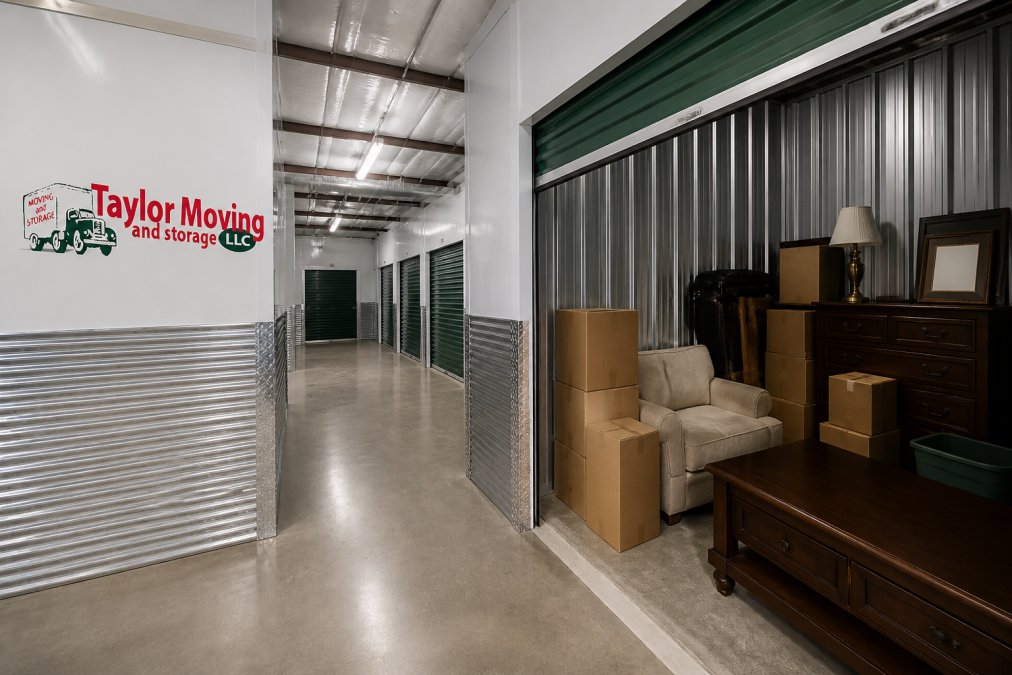
Not every move happens on a single day. If you're closing on a new home before your current lease ends, or your new apartment isn't ready when you're moving out, you need temporary storage.
Frequently Asked Questions
How far in advance should I book movers for a local move in 2026?
Booking movers 6-8 weeks in advance gives you the best selection of available dates and crews. For local moves during peak season (May through September), aim for 8-10 weeks ahead. Even for off-season moves, 4-6 weeks provides adequate time for planning and ensures the moving company can allocate experienced crews to your job. Request a free estimate early to lock in your preferred moving date.
What should I look for when hiring a licensed and insured moving company?
Always verify that the moving company is licensed and insured before hiring. Request a detailed, written estimate that breaks down labor, equipment, and any additional services. Check references from recent customers and ask about their experience with similar moves. Transparent pricing with no hidden fees is a key indicator of a trustworthy company.
What items should I pack myself versus letting movers handle?
Pack valuables, important documents, medications, and irreplaceable items yourself. These include jewelry, passports, financial records, and sentimental photographs. Professional movers can safely handle furniture, dishes, glassware, and most household goods. If you have antiques or high-value pieces, discuss special handling with your moving company beforehand. Clearly label boxes you pack yourself so movers know not to move them.
Are there specific regulations for moving companies in Colorado I should know about?
Colorado moving companies must be licensed and insured to operate legally. When hiring, request proof of licensing and current insurance coverage. Ask about the company's experience with local moves in your area and whether they offer climate-controlled storage options. Reputable local companies provide transparent estimates and clear communication throughout the moving process.