 comparison
Alternatives to Full Service Moving Companies
Table of Contents
- Why Consider Alternatives to Full Service Moving Companies
- Labor-Only Movers: Hiring Help for Loading and Unloading
- Loading and Unloading Help Without Full Service
- Professional Packing Services as a Standalone Option
- DIY Moving Checklist and Self-Service Strategies
- Comparison of Moving Alternatives
- How to Evaluate and Choose the Right Option for Your Move
- Frequently Asked Questions
Last Updated: October 12, 2026
Why Consider Alternatives to Full Service Moving Companies
When you're planning a move, a full-service moving company handles everything: packing, loading, transporting, unloading, and unpacking. But full-service doesn't always match your needs or budget. Some moves are smaller. Some require only specific help. Some call for a hands-on approach where you control more of the process.
Alternatives to full service moving give you flexibility. You can hire labor-only movers to handle the heavy lifting while you manage packing. You can pay for professional packing services alone and handle the rest yourself.
At Taylor Moving LLC, we've worked with countless customers who discovered that alternatives to full service moving fit their situation better than a complete package. Some needed to stay within a tight budget. Others wanted to move on their own timeline without coordinating with a moving crew.
The right choice depends on your move's size, complexity, timeline, and budget. Below, we'll walk you through each option so you can decide which approach works for you.
Labor-Only Movers: Hiring Help for Loading and Unloading
How Labor-Only Services Work
Labor-only movers provide muscle and expertise for specific tasks: loading your belongings onto a truck, unloading them at your destination, or both. You supply the transportation, and they handle the physical work.
The process is straightforward. You schedule your labor crew, and they arrive ready to work. Most charge by the hour. A typical job might take four to eight hours depending on the volume of items and the complexity of access to your home or apartment.
One key advantage: you control the timeline. You're not locked into a moving company's schedule. You arrange transportation when you want, hire the crew when you need them, and move at your own pace.
The tradeoff is responsibility. You're managing the transportation, coordinating timing, and ensuring items are packed safely before the crew arrives. If something breaks during loading or unloading, you need to understand who's liable. Most labor-only services carry liability insurance, but it's essential to verify coverage before booking.
Comparing Local Labor Providers
Several platforms connect you with labor-only providers in your area. HireAHelper lists local moving labor services, showing hourly rates and customer reviews. Genesys Moving Services and Smart Move, LLC both operate in the region and appear in local labor marketplaces with verified review counts and stated hourly rates.
When comparing providers, look beyond price. A crew charging less per hour might work slower or require more supervision. A higher-priced crew might work faster and require minimal direction. Reviews from past customers reveal patterns: communication quality, punctuality, care with belongings, and whether the crew showed up on time.
Ask potential providers:
- What's included in the hourly rate? (Do they charge extra for stairs, long carries, or difficult access?)
- How many crew members will show up?
- Do they carry liability insurance, and what does it cover?
- What's their cancellation policy?
Loading and Unloading Help Without Full Service
Some moves don't need packing help or transportation logistics. You've already packed everything into boxes. You have transportation. What you need is help getting items from point A to point B.
Loading and unloading services focus on this single task. A crew arrives, loads your truck (or unloads it at the destination), and leaves. No packing, no driving, no storage. Just muscle and organization.
This option appeals to people who've already done the packing themselves or who are moving a small number of large items. If you're relocating a few pieces of furniture and some boxes you've prepared, hiring two or three people for a few hours might cost less than arranging for a full crew for the day.
The limitation is scope. If your items aren't packed or organized before the crew arrives, they'll spend time organizing rather than moving, and your hourly cost climbs. This approach works best when you've done the prep work and just need physical help.
Professional Packing Services as a Standalone Option
When to Hire Packing-Only Services
Packing is the part of moving many people dread most. It's time-consuming, requires strategy to protect fragile items, and demands attention to detail. Professional packing services handle this entirely, leaving you free to manage other aspects of your move.
Packing-only services make sense when:
- You have valuable or fragile items that need expert handling
- You're short on time and can't pack yourself
- You want items packed efficiently to minimize truck space
- You have delicate antiques, artwork, or collectibles
- You're moving from a large home and packing everything would take weeks
A professional packing crew brings materials, expertise, and speed. They know how to wrap furniture, protect electronics, and organize boxes so everything's easy to find at your destination. They use proper materials: bubble wrap, packing paper, dish pack boxes, wardrobe boxes for hanging clothes.
The cost of packing services varies by volume and complexity. More fragile items or specialty packing costs more. Standard boxes of household items cost less per box. Ask for a detailed estimate based on your specific items.
One consideration: if you hire packing services but handle loading yourself, coordinate timing carefully. You don't want packed boxes sitting around for days before moving day. Ideally, packing happens a day or two before you load the truck.
DIY Moving Checklist and Self-Service Strategies
Planning Your Self-Directed Move
A self-directed move puts you in control of every detail. You pack, you arrange transportation, you load, you drive, you unload.

Start with a realistic timeline. Most people underestimate how long packing takes. Plan to begin at least two to three weeks before your move date. Break packing into rooms: pack one room fully before starting another.
Gather supplies early: boxes, tape, bubble wrap, markers, and packing paper. Buy more than you think you'll need. Running out of boxes mid-packing stops momentum. Many moving supply stores offer discounted bundles if you buy in volume.
Create a system. Label every box with its destination room and contents. This saves enormous time when unpacking. Use color-coded markers or stickers to identify rooms. Take photos of how furniture was arranged so you can recreate it at your new place.
Hybrid Approach: Combining DIY and Professional Help
The hybrid approach balances cost and convenience. You handle what you can, and professionals handle what you can't or don't want to.
Common hybrid combinations:
- You pack everything; professionals load and unload
- Professionals pack fragile items; you pack the rest
- You pack and load; professionals unload and help arrange furniture
- You handle small items; professionals move large furniture
This flexibility lets you spend money where it matters most. If you have time but limited budget, do your own packing and hire labor for loading. If you have budget but limited time, hire packers and loaders.
The key is clear communication with your hired help. Specify exactly what you're handling and what they're handling. Confirm timing so your efforts align with theirs.
Comparison of Moving Alternatives
| Option | Best For | Key Advantage | Main Consideration |
|---|---|---|---|
| Labor-only movers | Local moves, tight budgets, flexible timeline | Low cost, you control timing | You manage transportation and coordination |
| Loading/unloading only | Small moves, pre-packed items | Minimal cost for basic help | Only works if items are already organized |
| Professional packing | Fragile items, time constraints, large homes | Expert protection, saves time | Higher cost, requires coordination |
| DIY moving | Very small moves, budget-conscious people | Lowest cost, complete control | Time-intensive, physically demanding |
| Hybrid approach | Most residential moves | Flexibility, balanced cost and effort | Requires clear planning and communication |
How to Evaluate and Choose the Right Option for Your Move
Questions to Ask Before Booking Help
Before committing to any service, ask these questions:
About the service itself:
- What exactly does this service include? (Is packing included? Loading only? Both?)
- How is pricing calculated? (Hourly rate, flat fee, per-box rate?)
- Are there extra charges for stairs, long carries, or difficult access?
- What happens if the job takes longer than estimated?
About the crew:
- How many people will show up?
- Will it be the same crew throughout the job, or will people rotate?
- Do they have experience with your type of items? (Antiques, electronics, furniture?)
About protection and liability:
- Do you carry liability insurance? What does it cover?
- What happens if something gets damaged during the move?
- Is there a damage claim process?
About logistics:
- When can you schedule the service?
- What's your cancellation policy?
- Do you require a deposit?
- When is payment due?
Verifying Licensing and Insurance
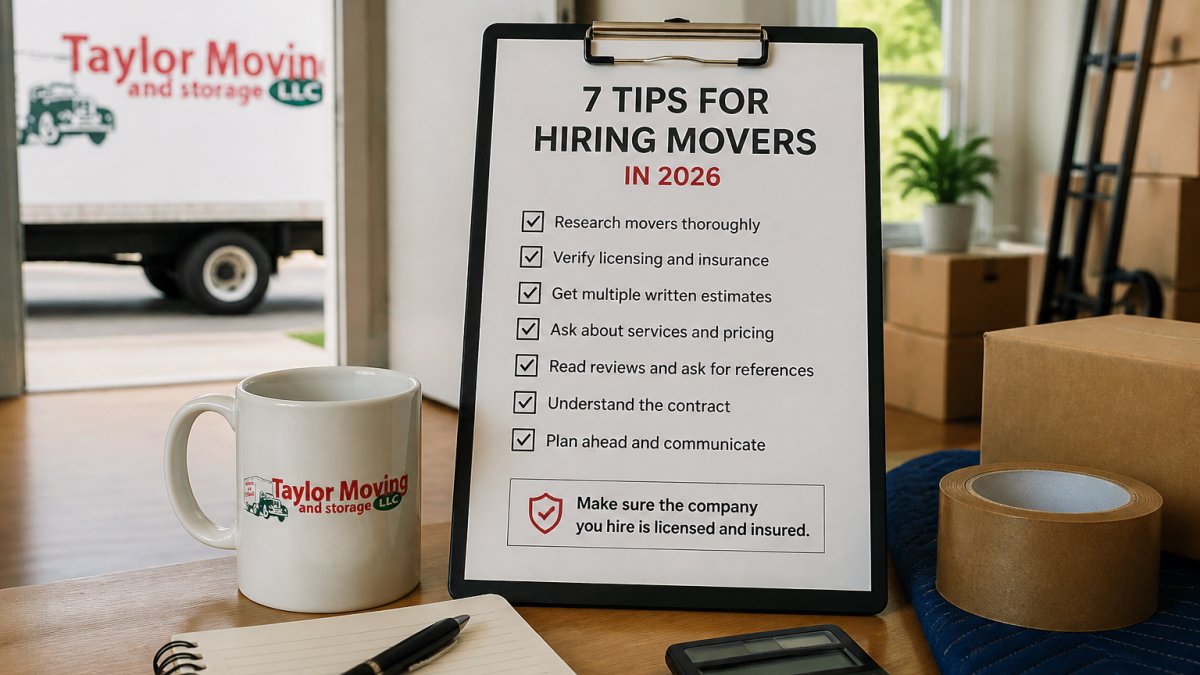
Before hiring any moving help, verify that the company you hire is licensed and insured. This is non-negotiable.
For labor-only services and packing crews, ask for proof of insurance. Request a copy of their liability insurance certificate. Legitimate companies have this readily available. If a provider hesitates or can't provide it, move on.
Check whether your homeowner's or renter's insurance covers damage caused by hired help. Some policies do; some don't. Call your insurance agent to confirm. If your policy doesn't cover it, ask the moving service whether their insurance covers accidental damage to your belongings.
For local moves in your area, check whether the service is registered with local business licensing. This varies by jurisdiction, but legitimate services maintain proper registration.
Choosing an alternative to full-service moving gives you control and often saves money. Whether you hire labor-only movers, professional packers, or take a hybrid approach depends on your move's size, timeline, and budget. Get a free estimate to explore which approach works best for your move.
Frequently Asked Questions
What are the main alternatives to hiring a full-service moving company?
The primary alternatives to full-service movers include labor-only moving services where you handle packing and transportation, professional packing services you hire separately, and a DIY approach where you manage the entire move yourself. Many people also use a hybrid model, combining one or more of these options. The best choice depends on your budget, timeline, and how much physical labor you can manage. Each option offers different levels of convenience and cost savings.
How do labor-only movers in Longmont compare to full-service companies?
Labor-only movers focus exclusively on loading, unloading, and sometimes transportation of your belongings. Unlike full-service companies, they don't handle packing or unpacking. This approach typically costs less because you're paying only for labor. Local providers in the area offer hourly rates and can be compared through online marketplaces. The trade-off is that you must organize, pack, and prepare your items before they arrive, which requires more effort on your part.
Can I hire professional packing services separately from moving help?
Yes, packing services are often available as standalone options. Professional packers can handle fragile items, furniture wrapping, and box organization while you arrange your own transportation or hire separate labor help. This works well if packing is your biggest concern but you're comfortable managing other aspects of the move. When selecting a packing service provider, confirm they're licensed and insured to protect your belongings during the packing process.
What should I ask a moving company or labor provider before booking?
Always ask about licensing and insurance status to ensure you're protected. Inquire about their specific services, hourly rates or flat fees, minimum hours required, equipment provided (dollies, blankets, straps), and whether they charge for travel time. Ask about their cancellation policy and how far in advance you need to book. Request references or check reviews from previous customers. Understanding these details upfront prevents surprise charges and ensures the service matches your needs.
How do I verify that a moving company is licensed and insured?
Ask the company directly for proof of licensing and insurance documentation before hiring. Legitimate moving companies should provide this information without hesitation. You can also verify licensing through your state's regulatory agency. Insurance protects your belongings in case of damage or loss during the move. Never hire a mover who cannot or won't provide proof of both licensing and insurance, as this leaves you unprotected if something goes wrong.