 how-to
Short Term Storage for Renters: What to Know in 2026
Table of Contents
- Short Term Storage for Renters: What It Solves
- Storage Between Leases: Your Options
- How Long to Store Belongings: Timing Your Rental
- Packing for Temporary Storage
- Month-to-Month Storage: Flexibility Without Penalties
- Questions to Ask Before You Sign
- Conclusion: Plan Storage Around Your Move
- Frequently Asked Questions
Last Updated: October 9, 2026
Short Term Storage for Renters: What It Solves
Short term storage for renters solves the gap between one lease ending and the next one starting. It gives you a safe place for your belongings when your move-out date and move-in date don't line up. At Taylor Moving LLC, we've helped renters across Boulder and Longmont handle this exact problem since 1997.
The lease gap is more common than most people expect. Maybe your new apartment isn't ready. Maybe you're waiting on a job transfer. Maybe you're downsizing and need time to sort what stays and what goes. Regardless of the reason for your transition, securing your new space often involves rekeying apartment locks to ensure that no previous tenants retain access to your belongings.
Here's the good news: short term storage is flexible. You're not locked into a year-long commitment.
This guide covers your options, how long to store things, packing tips, and the questions to ask before you sign anything.
Storage Between Leases: Your Options
Storage between leases comes down to a storage facility. This works differently, and the right pick depends on your timeline.
Storage facilities give you a unit you can access yourself. You drive over, unlock your unit, and grab what you need. Climate-controlled units protect furniture and electronics from heat and humidity.
Asking your moving company to hold your items can be an option. Some movers offer short-term holding as part of a move. This saves you a second trip.
What to Look for in a Facility
Start with access and security. You want a facility that fits your schedule and protects your things.
- Climate control for wood furniture, electronics, and anything that warps in heat
- Security features like gated entry, cameras, and a lock you control
- Access hours that match when you can actually visit
- Drive-up access if you're hauling heavy items
- Clean, dry units with no signs of leaks or pests
Ask to see the actual unit before you commit. A quick walk-through tells you more than any website photo.
How Long to Store Belongings: Timing Your Rental
How long to store belongings depends on your lease gap and how fast you find your next place. Most renters store for one to three months. Some need longer.
Plan for the realistic timeline, not the hopeful one. Apartment searches often take longer than expected. Add a two-week buffer to whatever you estimate.
A few things stretch your timeline:
- Waiting on a lease start date
- Home repairs or renovations
- A job start date that isn't set yet
- Sorting through years of accumulated stuff
If your gap might stretch past a few months, look for month-to-month terms. You keep flexibility without paying for time you don't use.
Packing for Temporary Storage
Packing for temporary storage rewards a little planning. The goal is simple: protect your items and make them easy to find later.
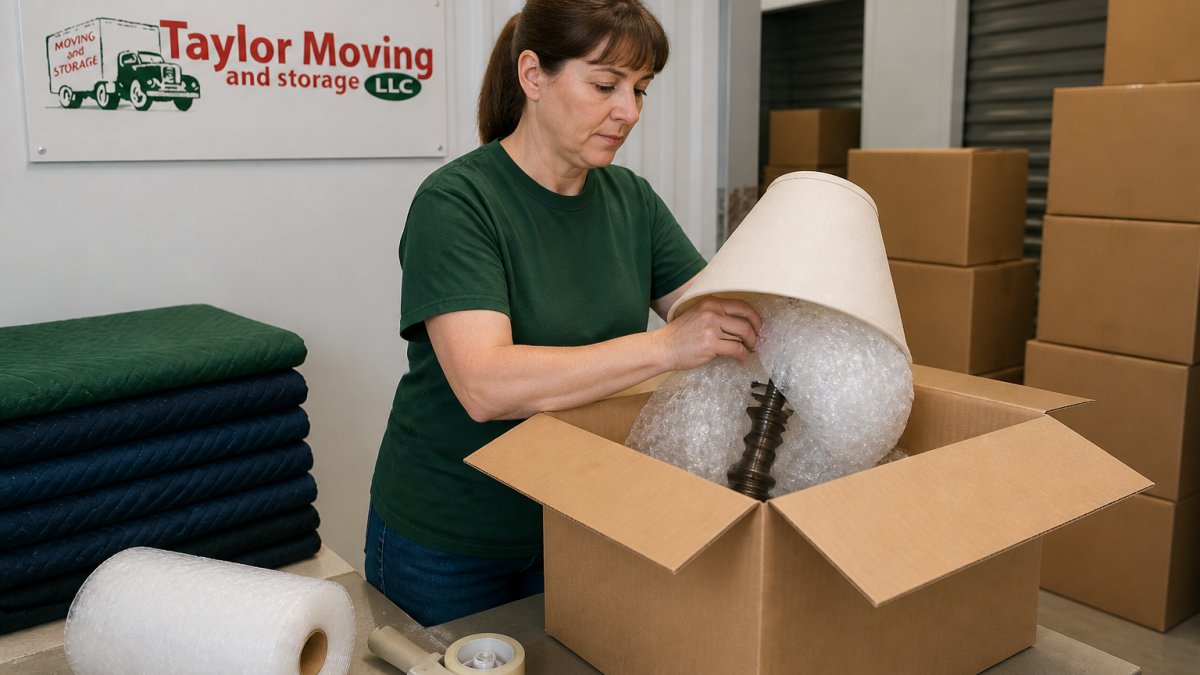
Start with sturdy boxes and real packing tape. Flimsy boxes collapse when stacked. Label every box on the side, not the top, so you can read labels in a stacked unit.
A few habits that save you later:
- Pack room by room and label each box by room
- Keep a list of what's in each box
- Put the items you'll need first near the door
- Leave a walkway so you can reach the back of the unit
Protecting Furniture and Delicate Items
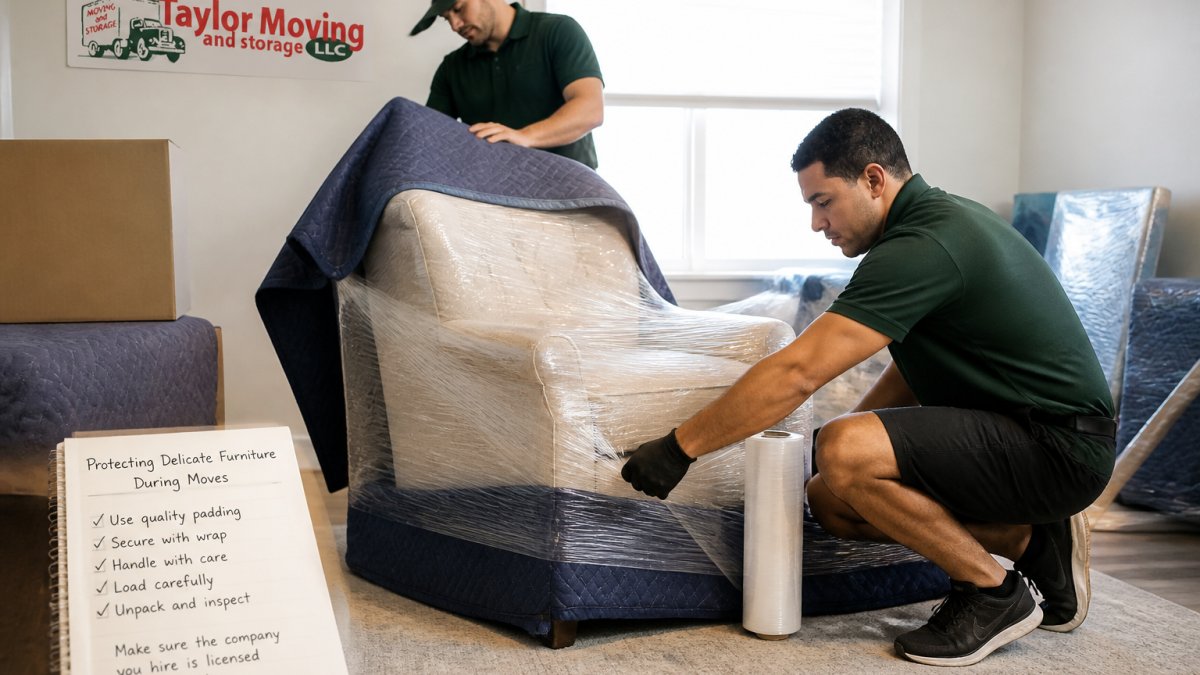
Furniture and delicate items need more than a box. Wrap surfaces, pad corners, and keep things off the floor.
- Wrap wood furniture in moving blankets or plastic wrap to stop scratches
- Disassemble large pieces and bag the hardware in a labeled bag
- Use mattress bags to keep mattresses clean and dry
- Pad mirrors and glass with cardboard, and store them upright
- Place nothing directly on the floor, use pallets or shelving
For antiques and high-value pieces, professional packing is worth it. Trained crews know how to handle fragile items. If you hire help, make sure the company you hire is licensed and insured.
Month-to-Month Storage: Flexibility Without Penalties
Month-to-month storage is a rental term that renews each month. You pay for the time you use and leave when you're ready. No long contract, no early-exit penalty.
This matters for renters because lease timelines shift. A unit that seemed perfect for six weeks might need to stretch to three months. Month-to-month terms absorb that change without a new agreement.
Read the fine print before you sign. Confirm a few details:
| What to Check | Why It Matters |
|---|---|
| Notice period | How many days before you move out |
| Rate changes | Whether the monthly rate can rise |
| Late fees | What happens if a payment is late |
| Insurance rules | Whether you need your own coverage |
Get the notice period and rate terms in writing. A short conversation now prevents a surprise charge later.
Questions to Ask Before You Sign
Ask these questions before you sign anything. The answers tell you whether a facility fits your situation.
- What are the total monthly costs, including any admin fees?
- Is the rate locked, or can it change while I'm renting?
- How much notice do I need to give before moving out?
- What access hours do I get, and are there after-hours fees?
- Is the unit climate-controlled, and is that included?
- Do I need my own insurance, or is coverage offered?
- What security measures protect the property?
- Can I see the exact unit before I commit?
For a smoother move, ask whether the company can help with packing, loading, or transport. Many renters pair storage with a professional move so everything happens in one coordinated step. Taylor Moving LLC offers a free estimate to map out the details.
U.S. Federal Trade Commission consumer advice on renting
Conclusion: Plan Storage Around Your Move
The trickiest part of short term storage for renters isn't the storage itself. It's timing your move-out, storage, and move-in so nothing sits in limbo. Plan the dates first, then pick the option that fits.
At Taylor Moving LLC, we handle the whole picture. Our climate-controlled storage keeps your belongings safe, our inclusive hourly pricing means no hidden fees, and our local crews are matched to your specific move. We've served Boulder and Longmont since 1997, and we're a Best of Boulder award recipient.
Get a free moving estimate from Taylor Moving LLC and plan your storage around a move that stays on track.
Frequently Asked Questions
When should renters use short term storage?
Renters typically need short term storage when there is a gap between leases, during a renovation, or while downsizing. If your move-out date does not line up with your move-in date, storing your belongings for a few weeks or months keeps everything safe. It also helps if your new place is smaller and you are not ready to part with furniture yet.
How long can you keep belongings in short term storage?
Most facilities offer month-to-month agreements, so you can store for as little as one month or as long as you need. The right duration depends on your lease timeline and how quickly you settle into a new place. Review your agreement for notice requirements before you plan to move out of the unit.
What should renters consider when choosing temporary storage?
Look at location, access hours, security, and climate control. Confirm the company you hire is licensed and insured, and ask whether the facility or mover provides coverage for your items. Check whether you can access your belongings on short notice and whether the agreement is truly month-to-month with no long-term commitment.
How should you pack belongings for short-term storage?
Use sturdy boxes, label each one by room, and keep heavier items in smaller containers. Wrap furniture and fragile pieces in blankets or bubble wrap, and leave a small gap at the top of each box. Avoid sealing items that need airflow, and place anything you may need soon near the front of the unit.