 blog
blog
Best Residential Movers in Colorado: 2026 Guide
Table of Contents
- How to Choose the Best Residential Movers in Colorado
- Hiring Licensed and Insured Movers: What to Verify Before You Book
- The Cost of Residential Moving Services: What Drives Your Quote
- Your Residential Moving Checklist: A Timeline That Works
- Moving During Colorado Winter: Snow Season Logistics
- Full-Service Packing, Storage, and Liability Coverage Explained
- Conclusion
- Frequently Asked Questions
Last Updated: September 13, 2026
How to Choose the Best Residential Movers in Colorado
Finding the best residential movers in Colorado starts with verification, not price. The state's moving industry includes hundreds of licensed carriers, and the gap between a well-run operation and a problem one shows up in paperwork long before it shows up on moving day.
At Taylor Moving and Storage LLC, we've seen the challenges Northern Colorado homeowners face: booking the cheapest quote, watching the crew arrive unprepared, then paying more than the original bid. Below, we'll show you exactly how to avoid that trap and what to verify before you sign anything.
Vetting for Rogue Movers: Red Flags and Warning Signs
The clearest red flag is a quote given over the phone without anyone seeing your home. Reputable residential movers conduct an in-person or video walkthrough before pricing a move.
Other warning signs:
- No physical business address, only a cell number
- Requests for a large cash deposit upfront
- Unmarked trucks or crews with no uniforms
- Refusal to put the estimate in writing
- Pressure to sign same-day
The Federal Motor Carrier Safety Administration's consumer protection guidance requires interstate movers to provide a written estimate and a copy of "Your Rights and Responsibilities When You Move." If a company won't hand that over, walk away.
Why Local Experience Matters for Mountain and Front Range Moves
Mountain-region moves are a different job than a Front Range move. A crew that only works flat suburban streets may not know how to handle I-70 mountain corridor traffic, steep driveways, or narrow canyon roads.
Local crews also know which buildings in Boulder and Fort Collins have elevator restrictions, tight loading zones, or HOA rules that slow a move down. That knowledge shows up as fewer hours on your bill.
Hiring Licensed and Insured Movers: What to Verify Before You Book
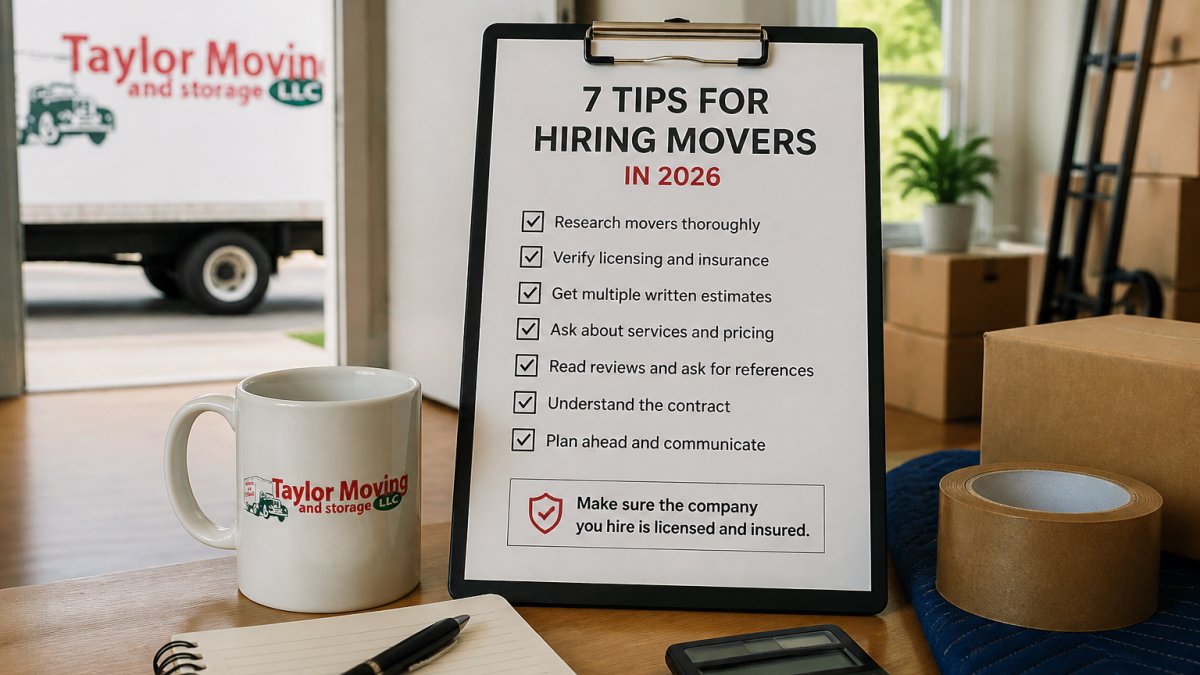
Hiring licensed and insured movers means confirming three things: a valid operating authority, active liability coverage, and workers' compensation for the crew. The verification step is where most homeowners stop short, they accept a photocopied certificate instead of checking the source. Here is how to verify each one yourself.
Step 1: Confirm the Mover's Operating Authority
For moves that cross state lines, the mover must hold a USDOT number and an MC number issued by the Federal Motor Carrier Safety Administration. Look the number up in the FMCSA's licensing and insurance database and confirm three things: the legal name matches the company you're hiring, the authority is active, and the insurance on file is current.
For moves that stay within the state, the mover needs a state-level permit rather than federal authority. Intrastate movers are regulated at the state level, and the permit number should appear on the company's website, estimate, and truck. If a mover can't produce a permit number for an in-state move, treat that as a disqualifier.
Step 2: Verify Insurance at the Source
Ask for:
- Certificate of insurance showing general liability limits
- Cargo insurance limits
- Workers' compensation policy number and carrier
- Physical business address (not a mailbox store)
- Written estimate with a clear scope of work
Then call the insurer directly and confirm the policy is active on the date of your move. Policies lapse, and the certificate in your hand may be expired. This one phone call is the single most effective way to screen out a rogue operator.
Step 3: Cross-Check the Paper Trail
A legitimate mover will have a consistent paper trail. Compare the company name on the estimate, the insurance certificate, the USDOT or state permit record, and the truck signage. If any of those names differ, ask why in writing before you sign.
What to Ask Before You Sign
- What is your USDOT or state permit number?
- Who is your insurance carrier, and can I call them to confirm coverage?
- Will the crew be employees or subcontractors?
- What is your claims process if something is damaged?
- What is your cancellation and rescheduling policy?
A mover who answers these without hesitation is a mover worth hiring. A mover who deflects is telling you something.
The Cost of Residential Moving Services: What Drives Your Quote
The cost of residential moving services depends on four variables: volume of goods, distance, access at both ends, and labor time. No honest mover can quote accurately without assessing all four. What most guides skip is the actual math behind those variables, so here is a transparent breakdown you can use to sanity-check any bid. Factoring in these logistical expenses often reveals that the transition into a new home requires additional support for residential cleaning services to ensure the property is move-in ready.
A Square-Footage and Bedroom Cost Breakdown
Square footage is a rough proxy for volume, not a precise measure. A 1,200-square-foot home packed with heavy furniture can take longer to move than an 1,800-square-foot home with minimal furnishings. Use the table below as a planning range for a local move, then adjust for access and packing.
| Home Size | Typical Crew | Typical Local Move Duration | What Drives the Range |
|---|---|---|---|
| Studio / under 600 sq ft | 2 movers | 3-5 hours | Stairs, elevator wait, parking distance |
| 1 bedroom / 600-900 sq ft | 2 movers | 4-6 hours | Sofa and mattress handling, box count |
| 2 bedroom / 900-1,400 sq ft | 2-3 movers | 6-9 hours | Appliance disconnects, second-floor walk-up |
| 3 bedroom / 1,400-2,200 sq ft | 3-4 movers | 8-12 hours | Garage contents, patio furniture, piano |
| 4+ bedroom / over 2,200 sq ft | 4-5 movers | 1-2 days | Multi-truck loads, long carries, packing |
The labor line item is often a significant driver of a local bill, which is why crew size and access can matter more than raw square footage. A third-floor walk-up with a narrow stairwell adds hours regardless of how few rooms you have.
What Actually Moves the Number
- Volume of goods: More cubic feet means more truck space and more labor. Heavy, dense items (books, tools, gym equipment) cost more per box than bulky, light ones.
- Distance: Local mileage or interstate route. Longer hauls add fuel, tolls, and travel time, and interstate moves are typically priced by weight and mileage rather than by the hour.
- Access: Stairs, elevators, long carries, and tight parking. Each flight of stairs, each elevator reservation window, and each 100 feet of carry distance adds crew hours.
- Packing: Materials and labor. Full-service packing raises the bill but reduces your time and the risk of damage claims.
- Timing: Peak season (May through September) and month-end dates often cost more because demand outstrips crew availability.
Hourly Rates vs. Flat-Rate Pricing: Which Quote Type Protects You
Hourly rates charge for actual time worked, while flat-rate pricing locks in a total based on estimated hours. Each protects you differently.
Hourly pricing favors you when your move is straightforward and your inventory is small. Flat-rate pricing protects you when the job is complex, since overruns don't raise your bill. For most local residential moves, hourly pricing with a clear minimum, a written time estimate, and a stated crew size is the more transparent option.
What a Written Estimate Should Contain
Before you compare two quotes, confirm each one includes the same scope. A quote is only comparable if it states:
- Crew size and hourly rate (or flat total)
- Estimated hours and any minimum charge
- Truck size and number of trips
- Stairs, elevator, and long-carry fees
- Packing materials and labor, itemized
- Valuation coverage level and its cost
- Fuel, toll, and travel surcharges
If a quote omits any of these, ask for a revised version in writing. An apples-to-apples comparison is the only way to know which mover is actually cheaper.
Your Residential Moving Checklist: A Timeline That Works
A residential moving checklist works when it's tied to a timeline, not a random list. Start eight weeks out and work backward.
Eight weeks before:
- Research and vet at least three licensed movers
- Schedule in-person or video estimates
- Sort belongings and decide what to sell, donate, or store
Four weeks before:
- Confirm your mover in writing
- Order moving supplies or book full-service packing
- Notify utilities, banks, and subscriptions of your new address
Two weeks before:
- Confirm crew arrival time and parking arrangements
- Pack non-essentials room by room
- Set aside a box of essentials for moving day
Moving day:
- Walk the crew through your home before loading begins
- Keep valuables and documents with you
- Do a final walkthrough before the truck leaves
Moving During Colorado Winter: Snow Season Logistics
Winter moves are entirely workable, but they demand flexibility. Snow and ice slow loading, close mountain passes, and make driveways unsafe for heavy trucks.
Build in a buffer day. If your closing date is tight, ask your mover about short-term storage so your belongings have somewhere secure to wait out a storm. Climate-controlled storage also protects wood furniture and electronics from the freeze-thaw cycle that damages finishes and screens.
A common mistake is scheduling a mountain move for late afternoon in January. Daylight is short, temperatures drop fast, and a pass closure can strand a crew for hours. Morning starts give you room to adjust.
Full-Service Packing, Storage, and Liability Coverage Explained
Full-service packing covers materials and labor for wrapping, boxing, and labeling your belongings. It costs more than doing it yourself, but fragile items and heavy furniture arrive in better condition.
Storage bridges timing gaps. If you're between homes or waiting on a closing, short-term storage keeps your items secure until you're ready. Climate-controlled units matter most for antiques, instruments, and anything with a finish that reacts to humidity swings.
Valuation coverage is the moving industry's term for liability protection. Basic released-value coverage is included by law on interstate moves but pays only a fraction of an item's worth per pound (fmcsa.dot.gov). Full-value protection costs more and covers repair or replacement up to a declared amount. For a home full of valuable furniture, the upgrade is usually worth it.
Conclusion
A Colorado move goes wrong for predictable reasons: no walkthrough, no written estimate, no verified insurance, and no plan for weather or access. Every one of those is preventable with a few hours of upfront work.
Taylor Moving and Storage LLC has handled Northern Colorado and Front Range moves since 1997, with inclusive hourly pricing that shows exactly what you're paying for, climate-controlled storage for timing gaps, and crews matched to your home's specific access and inventory. We've earned Top 10 Movers recognition in Boulder and Longmont, and we provide transparent estimates to avoid surprises on moving day.
Get a free moving estimate from Taylor Moving and Storage LLC and start your move with a number you can actually trust.
Frequently Asked Questions
How do I know a moving company won't lowball me and add surprise charges on moving day?
Ask for a written, binding quote that lists every line item: labor, truck size, fuel, packing materials, and any stair or long-carry fees. A reputable residential mover will walk through your home or do a video survey before quoting. If a company gives a suspiciously low phone estimate without seeing your inventory, treat that as a red flag. Confirm whether the quote is binding or non-binding, and get the total in writing before you sign.
What is the average cost of residential moving services in Colorado?
Pricing depends on distance, home size, access, and season. A local move within the Front Range may cost more in summer and less in winter. Long-distance and interstate moves are priced by weight and mileage, while local moves usually run on hourly rates. The cost of residential moving services also rises with add-ons like full-service packing, appliance disconnection, and climate-controlled storage. Request a free estimate for a number specific to your move.
What should I look for when hiring licensed and insured movers?
Verify the company's USDOT number and check it against the FMCSA database. Ask for a certificate of insurance showing both general liability and cargo coverage, and confirm the policy is active. For in-state moves, check state registration requirements. Ask whether crews are employees or subcontractors, and read reviews for patterns of damage claims or billing disputes. A legitimate mover will answer these questions without hesitation and put coverage details in your contract.
How far in advance should I book residential movers for a Colorado move?
Book four to eight weeks ahead for a local Front Range move, and six to twelve weeks for summer weekends or mountain-region relocations. May through September fills up fastest. If you're moving during snow season, flexibility on dates helps, but you still want a confirmed crew. Use a residential moving checklist to lock in your booking date, confirm your inventory, and schedule packing help before the calendar tightens.