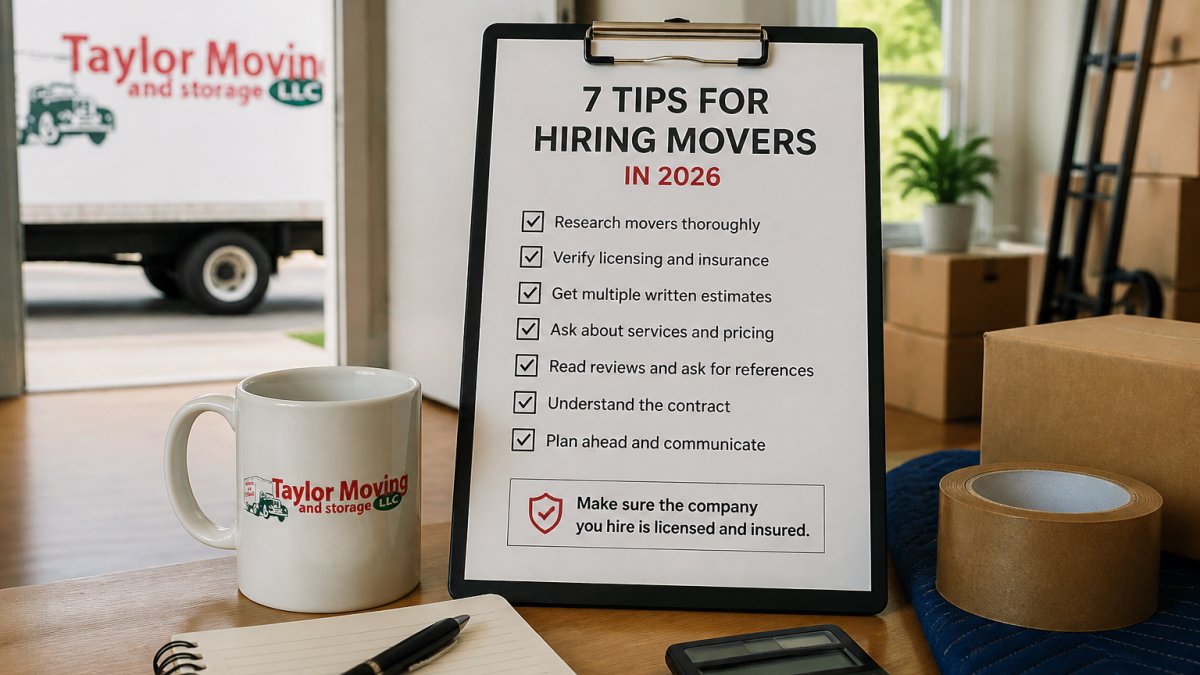
 listicle
Moving Companies: A Local Guide for 2026
Table of Contents
- What to Expect From Moving Companies
- Residential vs. Commercial Moving Services
- Questions to Ask Moving Companies Before Hiring
- Moving Company Insurance Requirements You Need to Know
- Local Moving Checklist: Prepare Your Home and Inventory
- Transparent Pricing: Understanding Hourly Rates and Hidden Fees
- Climate-Controlled Storage and Logistics Solutions
- How to Choose the Right Moving Company for Your Needs
- Frequently Asked Questions
Last Updated: September 28, 2026
What to Expect From Moving Companies
A professional moving company handles far more than just loading your belongings into a truck. The best moving companies provide comprehensive services tailored to your specific situation, whether you're relocating a studio apartment or coordinating a full-house move with delicate furniture and seasonal items.
When you hire a moving company, you're paying for expertise, equipment, and labor. A good team will assess your inventory, plan the logistics, protect your items during transit, and deliver everything safely to your new location. But in areas with unique geography, steep mountain roads, narrow driveways, tight parking, and elevation changes, you're also paying for specialized knowledge that prevents damage and delays.
What separates experienced local movers from generic services:
- Terrain-specific equipment. Mountain relocations sometimes require specialized dollies, ramps, or equipment designed for steep grades and uneven surfaces. A crew familiar with local terrain knows which tools prevent items from shifting during uphill or downhill transit.
- Access planning. Narrow roads, tight turns, and limited parking are common in mountain communities. An experienced moving company will scout your location beforehand, identify potential bottlenecks, and plan truck positioning to avoid damage to your home or landscaping.
- Weather and seasonal considerations. Mountain weather changes rapidly. A local moving company understands seasonal patterns and can advise on timing to avoid snow, ice, or extreme heat that might damage sensitive items or create safety hazards.
- Insurance for specialized moves. Make sure the company you hire is licensed and insured for the specific challenges your move presents. Standard liability coverage may not adequately protect against terrain-related risks.
The key difference between an adequate moving company and an exceptional one often comes down to communication and transparency. You should know exactly what you're paying for before moving day arrives, including any specialized handling your location requires. A company that asks detailed questions about your home's access, layout, and local conditions is demonstrating the local expertise that prevents costly mistakes.
Residential vs. Commercial Moving Services
Residential moving and commercial relocation require different approaches, equipment, and expertise. Understanding the distinction helps you choose the right service for your needs.
Residential moving focuses on household goods, furniture, and personal items. These moves typically involve apartments, condos, and single-family homes. A residential moving company needs to handle fragile items carefully, navigate tight spaces, and often work around tenant schedules or lease requirements. The crew must be efficient but also respectful of your home environment.
Commercial moving involves office equipment, inventory, filing systems, and sometimes specialized machinery. These relocations demand minimal downtime for your business. A commercial moving company coordinates with your team to move operations during off-hours or weekends, ensuring your business stays productive. They understand the logistics of disconnecting and reconnecting technology, protecting sensitive documents, and maintaining security protocols.
Many moving companies handle both types of work, but not all excel at both. A team experienced in residential moves may lack the coordination skills needed for office relocations. Conversely, a company strong in commercial work might not have the gentleness required for antique furniture or heirloom items.
Taylor Moving LLC serves both residential and commercial clients across Northern Colorado. Our crews are trained to adapt their approach based on your specific situation, whether you're moving a family home or transitioning an office space.
Questions to Ask Moving Companies Before Hiring
Before you commit to any moving company, ask these essential questions. Your answers will reveal whether a company is transparent, experienced, and right for your move.
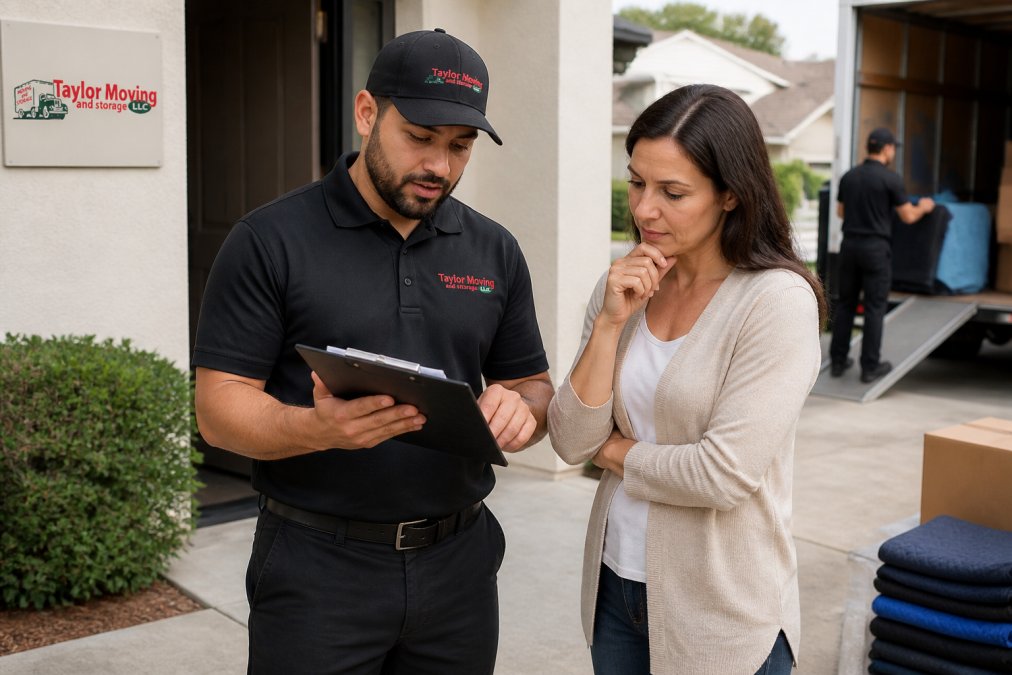
What exactly is included in your estimate? A legitimate moving company will break down labor, equipment, travel time, and any additional services. Ask whether packing supplies or equipment rental are included or charged separately. Vague estimates often hide unexpected costs. Getting a Free Estimate from your prospective moving company lets you compare detailed breakdowns and understand exactly what you're paying for.
How do you handle items that break during the move? A reputable moving company should explain their liability coverage and what happens if something gets damaged. Don't accept vague answers, get specifics about whether they cover replacement value, actual cash value, or offer additional insurance options.
What is your experience with moves like mine? Ask about their track record with similar household sizes, types of items, or access challenges. A company that regularly moves families with valuable antiques will have different expertise than one focused on quick apartment relocations. Specialized relocation services ensure that your specific logistical requirements are met with the necessary equipment and professional care.
Can you provide references from recent clients? Request contact information for customers who moved within the last six months. Speaking directly with past clients reveals whether the company delivers on promises and handles problems professionally.
What is your crew composition and will the same team handle my move? Consistency matters. Ask whether the same crew will load and unload your belongings, or if different teams will handle different stages. Knowing who's handling your items builds confidence.
How do you calculate travel time and what happens if the move takes longer than estimated? Understand whether travel time is charged separately and how overages are handled. This prevents surprise bills if your move runs longer than expected.
Moving Company Insurance Requirements You Need to Know
Insurance protects your belongings during transit and provides recourse if something goes wrong. Understanding moving company insurance requirements helps you verify that the company you hire meets legal standards and provides adequate protection.
Most moving companies carry basic liability insurance, which is often required by law. This coverage protects the company's liability but may not fully cover your belongings. The level of protection varies significantly between carriers and policies.
When evaluating a moving company's insurance, ask to see proof of coverage. Verify that the company maintains both general liability insurance and cargo liability insurance. General liability covers damage the movers cause to your home or property. Cargo liability covers your belongings during the move.
Many moving companies offer additional insurance options beyond their basic coverage. These might include full-value protection or declared-value coverage.
Local Moving Checklist: Prepare Your Home and Inventory
Preparation prevents problems on moving day. A thorough checklist ensures you and the moving company have everything needed for a smooth relocation.
Two weeks before your move:
- Declutter and donate items you don't need
- Start using pantry items and frozen foods
- Notify utility companies of your move date
- Schedule disconnection and connection appointments
One week before:
- Confirm details with your moving company
- Pack non-essential items and label boxes clearly
- Defrost your freezer if you're moving it
- Take meter readings and photos of your current home's condition
Three days before:
- Pack most items except daily essentials
- Clean out and defrost your refrigerator
- Drain garden hoses and outdoor equipment
- Prepare a "first night" box with toiletries, medications, and change of clothes
Moving day:
- Do a final walk-through of every room and closet
- Check drawers, cabinets, and storage areas
- Take final meter readings
- Verify that all items are loaded before the truck departs
- Keep important documents and valuables with you, not in the moving truck
Transparent Pricing: Understanding Hourly Rates and Hidden Fees
Pricing structure varies significantly between moving companies. Understanding how charges work prevents surprises on your final bill.
Climate-Controlled Storage and Logistics Solutions
Moving logistics extend beyond the day items leave your old home. Many relocations involve coordinated timing challenges, waiting for a new home to be ready, staggered family arrivals, or phased office transitions. Understanding how to manage these logistics prevents stress and damage to your belongings.
Logistics coordination includes:
- Sequencing high-value items. Coordinate when antiques, electronics, or irreplaceable items are loaded and delivered to minimize exposure time and ensure proper handling at each stage.
- Managing access at your new location. Confirm that your new home or office will be accessible on delivery day. Locked gates, building hours, or parking restrictions can delay unloading. Alert your moving company to any access limitations in advance.
- Protecting items during transitions. If there's a gap between loading and unloading, ask how your moving company protects your belongings during transit and any waiting periods. Proper covering and securing prevents damage from weather, dust, or shifting.
- Coordinating with other services. If you're arranging utility connections, furniture assembly, or appliance installation, your moving company needs to know the timeline. Overlapping schedules can create bottlenecks or safety hazards.
How to Choose the Right Moving Company for Your Needs
Selecting a moving company involves weighing experience, reliability, pricing, and service scope. The right choice depends on your specific situation.
Frequently Asked Questions
Are moving companies required to be licensed and insured?
Yes. Professional moving companies must carry liability insurance and proper licensing to operate legally. When vetting moving companies, always ask to see proof of current insurance coverage and licensing credentials. This protects your belongings during transit and ensures the company meets industry standards. Make sure the company you hire is licensed and insured before signing any agreement.
What is the difference between full-service and self-service moving?
Full-service moving companies handle packing, loading, unloading, and placement of your items. Self-service options require you to pack and load yourself, with the company providing only transportation. Full-service is ideal if you need professional handling of fragile items and heavy furniture. Self-service works better for budget-conscious moves where you have time to prepare.
How far in advance should I book moving companies?
Book your moving company 4-8 weeks ahead for peak season moves (summer months). Off-season moves can often be scheduled with 2-3 weeks notice. Advance booking gives you better availability, allows time for detailed move planning, and ensures your preferred crew can be matched to your specific needs. Last-minute bookings may face limited availability or premium pricing.
What should I look for when hiring local moving companies?
Prioritize companies with transparent pricing, verified insurance and licensing, and clear communication about what's included. Check customer reviews and ask about their experience with moves similar to yours. Request a free estimate and compare what's included. Verify they handle special items like antiques or valuable furniture with appropriate care. Choose a company with local expertise in your area's unique logistics.
Choosing a moving company is one of the most important decisions in your relocation process. The right partner reduces stress, protects your belongings, and ensures your move stays on schedule. Get a free moving estimate from Taylor Moving LLC and see how our local expertise and transparent approach can make your move seamless. We'll walk you through every step and answer your questions before moving day arrives.