 how-to
How to Pack for Storage: A Simple Step-by-Step Guide
Table of Contents
- Step 1: Sort Belongings and Gather Storage Packing Supplies
- Step 2: How to Prepare Furniture for Storage
- Step 3: How to Label Boxes for Storage
- How to Protect Items From Moisture in Storage
- Packing Checklist and Timeline
- Frequently Asked Questions
Last Updated: October 18, 2026
Step 1: Sort Belongings and Gather Storage Packing Supplies
Learning how to pack for storage starts with sorting what you own and buying supplies. At Taylor Moving LLC, we tell customers in Boulder and Longmont the same thing: good prep saves hours later.
Sort belongings into keep, donate, and toss piles, then group similar items so each box holds one category. Gather sturdy boxes and lidded totes, tape, bubble wrap, packing paper, furniture covers, moving blankets, markers, labels, and silica packets, skip flimsy grocery cartons that crush and let pests in.
Step 2: How to Prepare Furniture for Storage
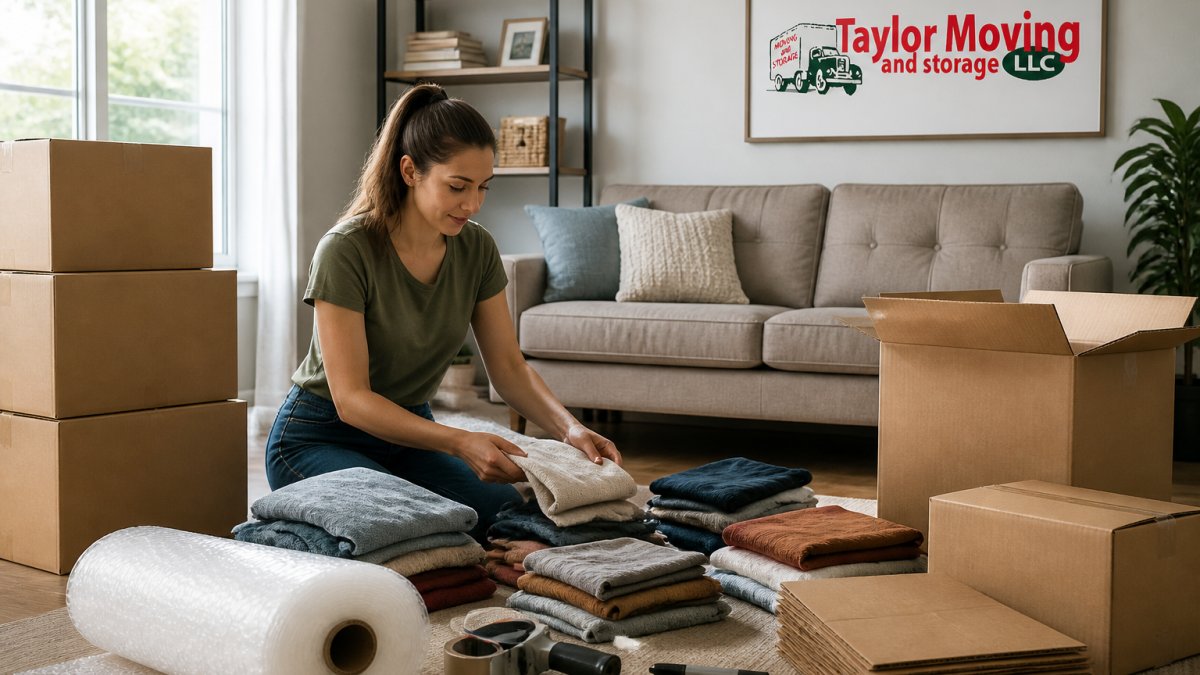
Knowing how to prepare furniture for storage protects your biggest investments. Clean every piece and let it dry fully; moisture trapped under a cover turns into mildew.
Disassemble beds, tables, and shelving, taping screws and bolts to each piece. Remove sofa legs where possible, use breathable covers rather than plastic, and wrap glass and mirrors in bubble wrap, standing them upright. Condition leather first, then cover loosely.
If you hire help, make sure the company you hire is licensed and insured, and ask for a free estimate before booking so you know exactly what the job involves.
Step 3: How to Label Boxes for Storage
Labeling boxes correctly turns a chaotic pile into an organized system.
Write on the top and one side of each box, list the room and a short contents summary, mark fragile and heavy items, number each box against an inventory list, and use markers rather than pens. Keep an inventory sheet with box numbers and contents, and store a copy on your phone.
How to Protect Items From Moisture in Storage
Moisture causes mold, warping, and rust. Add silica packets to sealed containers, choose climate-controlled storage for wood, electronics, and photos, keep boxes off the floor on pallets or shelving, and inspect items periodically.
Packing Checklist and Timeline
A packing timeline keeps the job manageable, spread work over several weekends, roughly one room per session.
| Task | When | Time Needed |
|---|---|---|
| Sort and declutter | 3 weeks out | 4-6 hours |
| Buy supplies | 3 weeks out | 1 hour |
| Pack off-season items | 2 weeks out | 3-4 hours |
| Prepare furniture | 1 week out | 2-3 hours |
| Label and inventory | 1 week out | 2 hours |
| Final walkthrough | Day before | 1 hour |
Fill empty spaces with packing paper, distribute weight evenly so boxes stay liftable, and keep items you need soon near the front.
Frequently Asked Questions
How long before moving day should I start packing?
Start packing four to six weeks before moving day. Begin with items you rarely use, such as seasonal clothing, holiday decorations, and books. Pack one room at a time so you stay organized. Reserve the last week for daily essentials and a small box of items you will need on move-in day. If you hire professional packers in Boulder or Longmont, confirm the schedule early so crews arrive with the right supplies and enough time to protect fragile items.
Is it better to store things in cardboard or plastic?
Both work when used correctly. Cardboard boxes are affordable and stack well, but they absorb moisture, so keep them off concrete floors and seal them with packing tape. Plastic totes are best for clothing, bedding, and items in damp spaces. Use sturdy boxes for heavy items and totes for anything that must stay dry. Label every container on multiple sides so you can find items without unpacking everything.
How should I prepare furniture before storing it?
Clean and dry each piece, then disassemble what you can and bag the hardware in a labeled bag taped to the furniture. Wrap surfaces with furniture covers or moving blankets, and use masking tape instead of packing tape on wood finishes. Stand mattresses on edge and keep them off the floor. For valuable antiques or delicate pieces in Boulder or Longmont, ask a licensed and insured mover about professional wrapping and climate-controlled storage.
Packing for storage takes planning, but the payoff is real. If the job feels too big, Taylor Moving LLC can help. We offer customized move planning, climate-controlled storage options, and transparent hourly pricing with no hidden fees. Our crews serve Boulder and Longmont with the same care. Get a free moving estimate and start your move with a clear plan.